


Rail
Built on proven experience across major North American rail programs, QMF delivers the fabrication, quality control and engineering support required for both new production and long-term fleet sustainment. Integrated in-house processes, strong traceability and legacy part re-engineering capabilities allow QMF to support demanding rail requirements with consistency, repeatability and control.

Built for Demanding Rail Programs
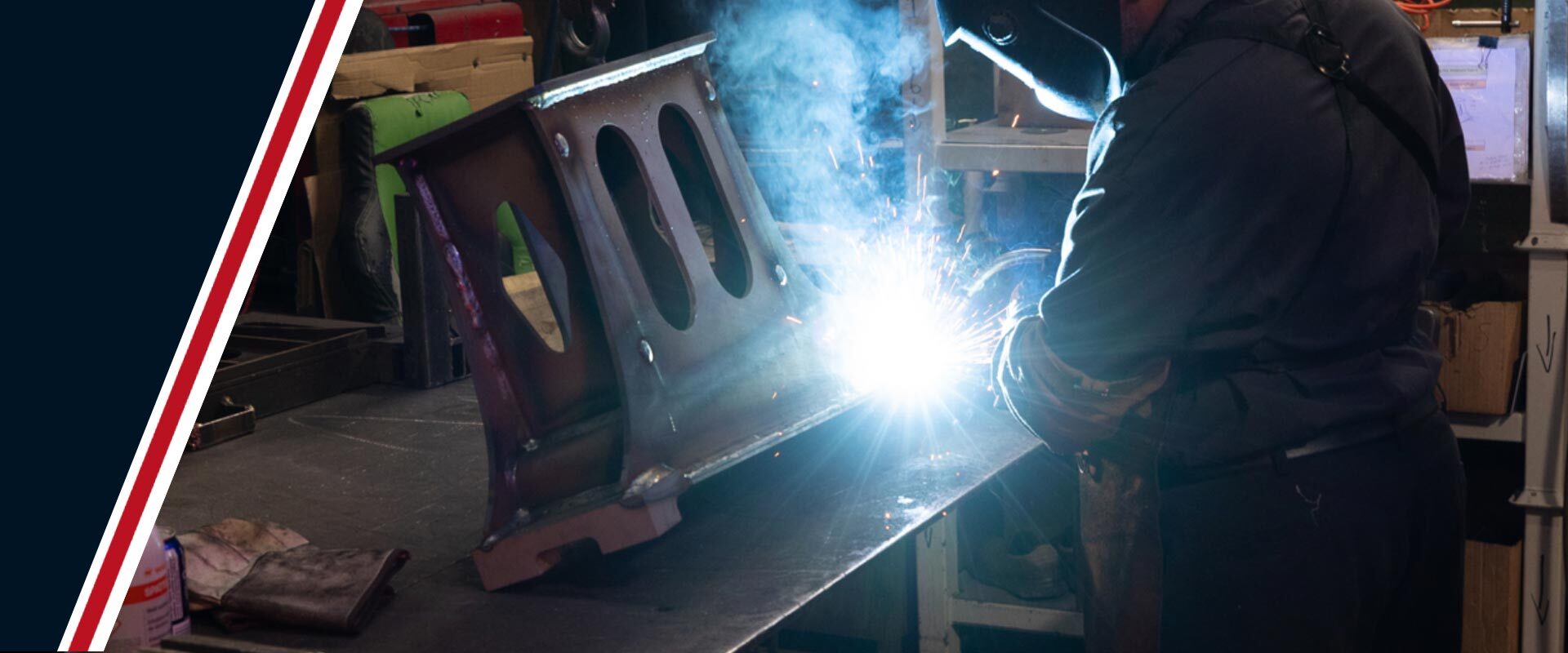
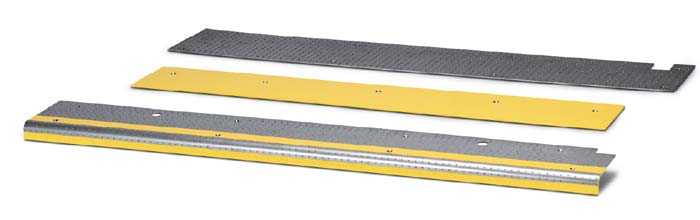
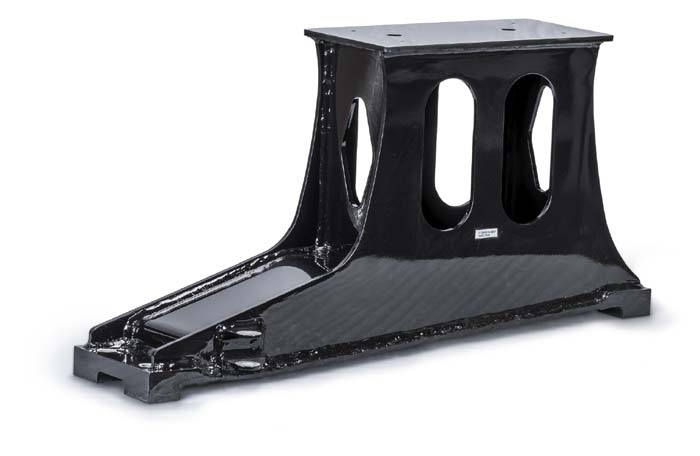
Proven rail-sector manufacturing experience supports components and assemblies that require consistent workmanship, controlled processes and long-term durability. QMF’s in-house capabilities include torque-controlled assembly, riveting, welding and painting, allowing rail components to move through multiple production stages within one facility. This depth of process knowledge helps maintain repeatability, finish quality and production consistency across demanding rail programs.
Trusted by Leading Rail Organizations
QMF’s track record includes work supporting major North American rail organizations such as TTC, Metrolinx, GO Transit, BART, Amtrak, METRA, NJ Transit and ALSTOM. That experience reflects the process control, consistency and reliability required to perform across demanding rail programs.
Traceability Built Into Production
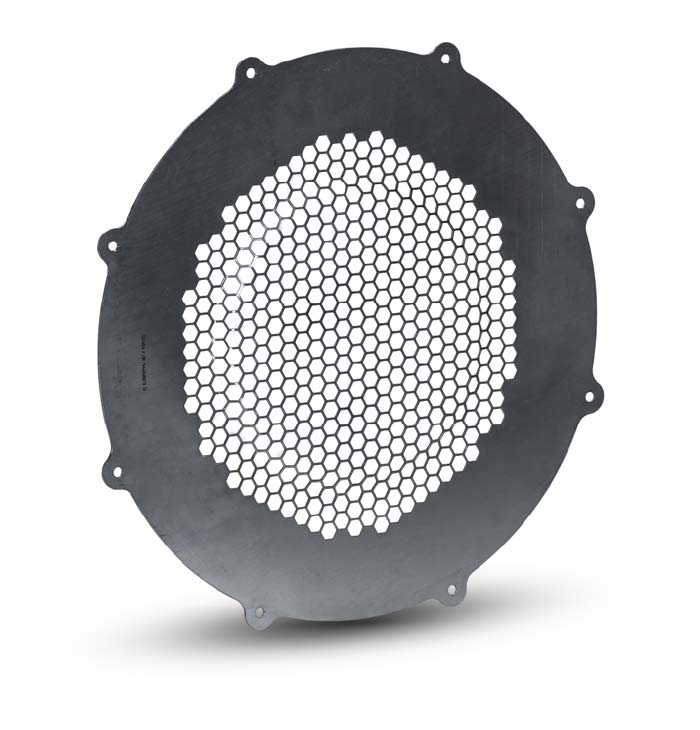
Capacity audits, material test reports, dimensional inspection records and production traceability are managed through disciplined internal systems built to support demanding rail programs. QMF applies the same level of document control, inspection rigor and process discipline to rail that it does across its most highly regulated manufacturing work, including aerospace. The result is complete, organized records, strong traceability and consistent audit readiness throughout production.
Engineering Support for Legacy Rail
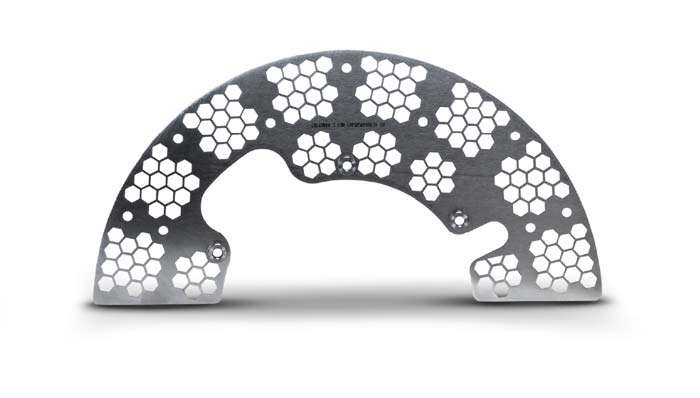
QMF supports legacy rail fleets with the engineering and manufacturing capability to reproduce obsolete, unavailable or undocumented components. Using existing parts, legacy drawings and field requirements as reference points, the team can reverse-engineer geometry, define manufacturing methods, update material or process requirements where needed, and produce replacement parts with controlled documentation and repeatability. This capability helps rail operators extend asset life, reduce dependence on discontinued OEM supply and maintain critical equipment through long-term maintenance and refurbishment programs.